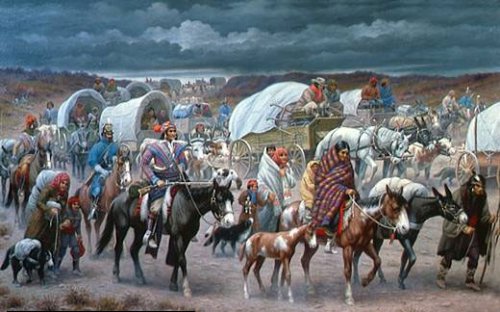
 My daughter is studying the Native Americans in social studies. This week her class started studying the Eastern Woodland Indians, specifically the Cherokee. This amazing people group assimilated into the European colonies and, in many ways, looked exactly like their neighbors.
But they weren’t. They were different.
And that difference allowed people’s greed for gold to forcibly remove the Cherokee and other Native Americans from their land, enduring disease, exposure, and starvation. The Trail of Tears.
When I told my girl the story of the Cherokee, she stared at me, confusion pulling her eyebrows together.
“Why?”
In her wide-eyed innocence, “Why?”
Why, indeed?
You see, my girl is an artist and she understands that in art, in beauty, contrast and difference is celebrated and encouraged. That which makes something different, is core to making it beautiful.
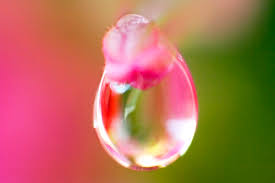 It’s something taught to elementary children with a color wheel. Contrasting colors—blue and yellow, red and green, purple and orang—set each other apart and make things interesting.
Even textural differences are used to make things beautiful. Think about a flower arrangement. The soft textures of grasses set the backdrop for the structured beauty of the flower. Things opposite in nature make each other stand out more beautifully.
But not so with people.
Differences tend to divide. Skin color, religion, economics. The list goes on.
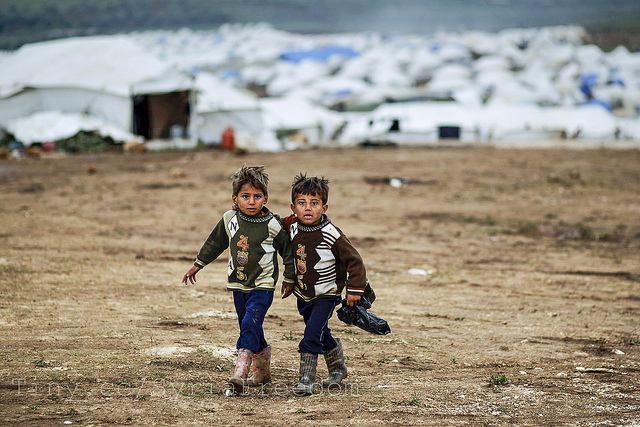
All we need to do is look at the headlines—Syria, U.S. police, presidential debates—to see that we define ourselves by what makes us different. But we fail miserably at seeing the beauty that all those contrasting colors create.
My friend, what makes you different from me makes you beautiful. Difficult to understand. Perhaps. But still beautiful. Worth celebrating.
Would you be willing, perhaps, to celebrate with me? To step across the things that divide us?
Tell me your differences. Teach me to see the world through your eyes.
How do you celebrate the differences in yourself and others? How do we teach our children to do it better than we did ourselves?